





Automotive VIN Code Deep Engraving Laser System For Metal Frame Identification
Products Description
Automotive VIN Deep Engraving Laser System
Permanent VIN Identification for Automotive Metal Components

Vehicle Identification Numbers (VINs) play an essential role in vehicle identification, manufacturing records and product traceability. During automotive production, these identification codes must be applied to designated metal components with consistent character quality and reliable readability.
The Automotive VIN Deep Engraving Laser System developed by HGLaser is designed for deep laser engraving of VIN codes on automotive frames and related metal components. It combines high-power MOPA pulsed laser technology with a self-developed precision galvanometer system to achieve controlled engraving and clearly defined characters.

| Parameter | Specification |
|---|---|
| Equipment Name | Automotive VIN Deep Engraving Laser System |
| Processing Technology | MOPA Pulsed Laser |
| Laser Type | High-Power Pulsed Laser |
| Scanning System | Precision Galvanometer System |
| Processing Method | Laser Deep Engraving |
| Marking Content | Vehicle Identification Number (VIN) |
| Engraving Depth | Adjustable, Application-Dependent |
| Applicable Materials | Carbon Steel, Stainless Steel, Galvanized Steel |
| Positioning Method | Precision Laser Positioning |
| Automation | Automated Processing Configuration |
| Application | Automotive Frame and Metal Component Identification |
| Equipment Configuration | Customized According to Project Requirements |
Unlike conventional surface marking applications, deep VIN engraving focuses on creating identifiable characters with sufficient engraving depth for the requirements of specific automotive components and manufacturing processes.
1. MOPA Laser Technology for Controlled Deep Engraving
The system optimizes high-power MOPA pulsed laser parameters to support deep engraving on different metal materials. Laser processing parameters can be adjusted according to material properties, component geometry and required engraving results.
This provides process flexibility for automotive manufacturers working with different steel grades and frame structures.
2. Precision Galvanometer-Based Processing
A self-developed precision galvanometer system controls laser beam positioning and processing paths.
It supports consistent character formation and accurate VIN positioning within the configured processing area. The positioning and processing strategy can be adapted to the shape and location of the workpiece.
3. Adjustable Engraving Depth
Different automotive components may require different engraving depths depending on material characteristics and manufacturing specifications.
The laser parameters can be optimized to achieve the required engraving effect through application testing. This makes the equipment adaptable to different metal components and VIN engraving requirements.
4. Compatible with Multiple Metal Materials
The system is designed for VIN deep engraving applications involving:
- Carbon steel
- Stainless steel
- Galvanized steel
Material compatibility and the final engraving quality should be verified through sample testing before production deployment.
5. Automated VIN Engraving for Automotive Production
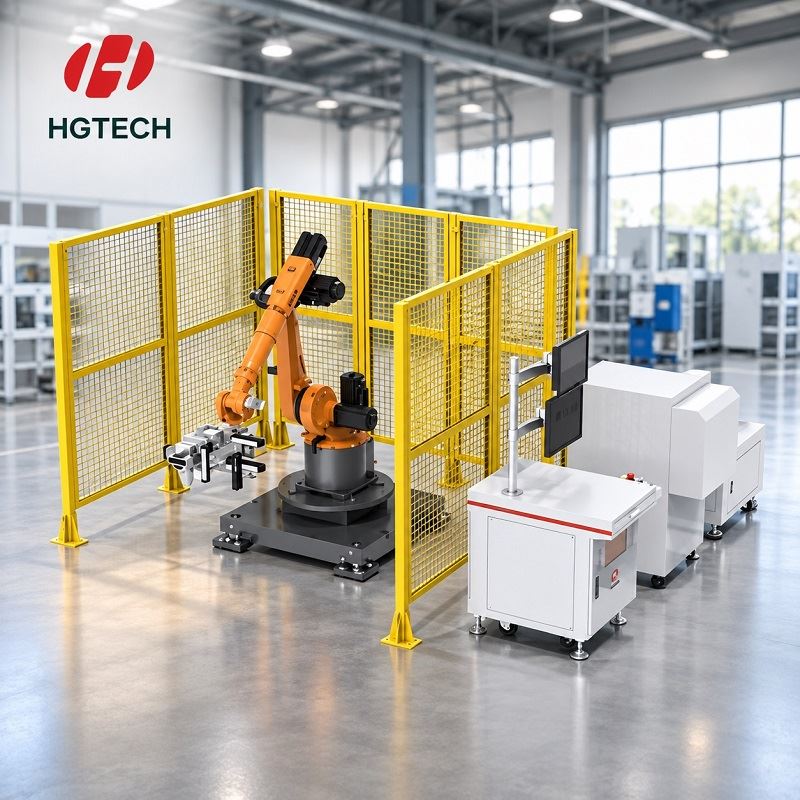
The equipment is developed for automated VIN code engraving on automotive components. Its processing and positioning configuration can be adapted to the requirements of the production station.
For projects requiring integration with existing manufacturing processes, the equipment configuration can be evaluated according to workpiece dimensions, positioning methods, production cycle and factory layout.
6. Non-Contact Laser Processing
Laser engraving is a non-contact processing method that does not require a mechanical engraving tool to touch the workpiece.
This eliminates mechanical tool wear associated with contact engraving methods and helps reduce mechanical loading during the marking process.
7. Clean and Efficient Manufacturing Process
Laser engraving does not require chemical etching agents or conventional engraving consumables. Compared with some traditional marking processes, it can simplify consumable management and support cleaner production workflows.
Appropriate fume extraction and laser safety measures should be configured according to the actual application.
Typical Applications
The Automotive VIN Deep Engraving Laser System can be considered for:
- Automotive chassis VIN engraving
- Vehicle frame identification
- Automotive body structural components
- Metal vehicle identification plates and designated components
- Automotive parts identification and traceability
An Application-Oriented VIN Engraving Solution
VIN engraving requirements vary according to vehicle design, metal grade, component geometry and production procedures.
HGLaser can evaluate the application based on customer workpiece samples, required engraving depth, character dimensions, positioning requirements and production-line conditions.
Contact HGLaser to discuss your automotive VIN deep engraving requirements and obtain a suitable equipment configuration.
FAQ:
Q1: What is a VIN deep engraving laser machine?
A VIN deep engraving laser machine is industrial laser equipment designed to engrave Vehicle Identification Numbers directly onto metal vehicle components. It creates permanent identification characters through controlled laser material removal.
Q2: What materials can this VIN laser engraving system process?
The HGLaser system is designed for carbon steel, stainless steel and galvanized steel. Actual processing compatibility and engraving quality depend on the material grade, surface condition and laser parameter settings.
Q3: What is the difference between VIN laser marking and VIN deep engraving?
Conventional laser marking often focuses on surface contrast and character visibility, while deep engraving involves controlled material removal to create measurable engraving depth. The appropriate process depends on the automotive manufacturer's identification requirements.
Q4: Can the engraving depth be adjusted?
Yes. The laser processing parameters can be adjusted according to the material and required engraving result. The final depth should be verified through application testing.
Q5: Can the equipment be integrated into an automotive production line?
The system is developed for automated VIN engraving applications. Integration options can be evaluated based on the production line, workpiece positioning, automation requirements and factory layout.
Q6: Does laser VIN engraving require consumables?
Laser engraving does not require mechanical engraving bits or chemical etching agents. However, routine equipment maintenance and appropriate extraction system maintenance may still be necessary.
Q7: How can I select the right VIN deep engraving system?
Selection should consider the metal material, required engraving depth, VIN character dimensions, workpiece geometry, positioning requirements, production cycle and automation configuration. Providing workpiece samples and technical requirements helps determine a suitable solution.
Q8: Can HGLaser customize the VIN engraving equipment?
HGLaser can evaluate customized equipment configurations according to customer workpieces, processing requirements, production conditions and automation needs. Contact the engineering team to discuss your project.
Hot Tags: automotive vin code deep engraving laser system for metal frame identification, manufacturers, suppliers, price, for sale
Previous
No InformationNext
No InformationSend Inquiry


