

Sheet metal fabrication is a versatile manufacturing process with an extensive list of techniques and usable metals. Getting familiar with the technology, how it works, and its applications will help you decide if it is the best option for your project. Here is a comprehensive breakdown of this metal fabrication technique and its applications across several industries.

Overview of Sheet Metal Fabrication
Sheet metal fabrication is essential for various manufacturing processes, ranging from the manufacturing of toys to large-scale airplane parts. Despite its popularity, it is important to know how this manufacturing process works. Here’s a detailed overview of sheet metal fabrication.
What is Sheet Metal Fabrication?
Sheet metal fabrication is the process of forming flat metal sheets into the desired parts and products by cutting, folding, bending, and assembling.

There is an extensive range of metal materials that are suitable for various sheet metal fabrication processes, including steel, aluminum, stainless steel, brass, copper, and zinc. The sheet metal thickness comes in gauges of about 0.006 to 0.25 inches. Thicker gauges are ideal for heavy-duty applications, while thinner ones offer advantages in terms of malleability.
To create sheet metal parts, professional metal fabricators use various techniques after a thorough design phase to determine product specifications. The combination of methods will depend on the unique specifications of the end product. The basic processes are cutting, forming, joining, and finishing.

Sheet Metal Fabrication Processes
There are various techniques available for shaping and manipulating sheet metal. Some of these processes are more suitable for certain applications than others. Thus, an in-depth understanding of the various available process is crucial to making the most efficient designs. It will also help you decide on the best technique for your projects. This section gives you a rundown of the different sheet metal fabrication types.
Sheet Metal Cutting Techniques
Cutting techniques are to separate sheet metal material by applying high force to cause the cutting edges to fail. They break into two groups, cutting without shear: laser cutting, plasma cutting, waterjet cutting, and cutting with shear: shearing, blanking, punching, and sawing. This section will discuss each technique in detail.
Laser Cutting
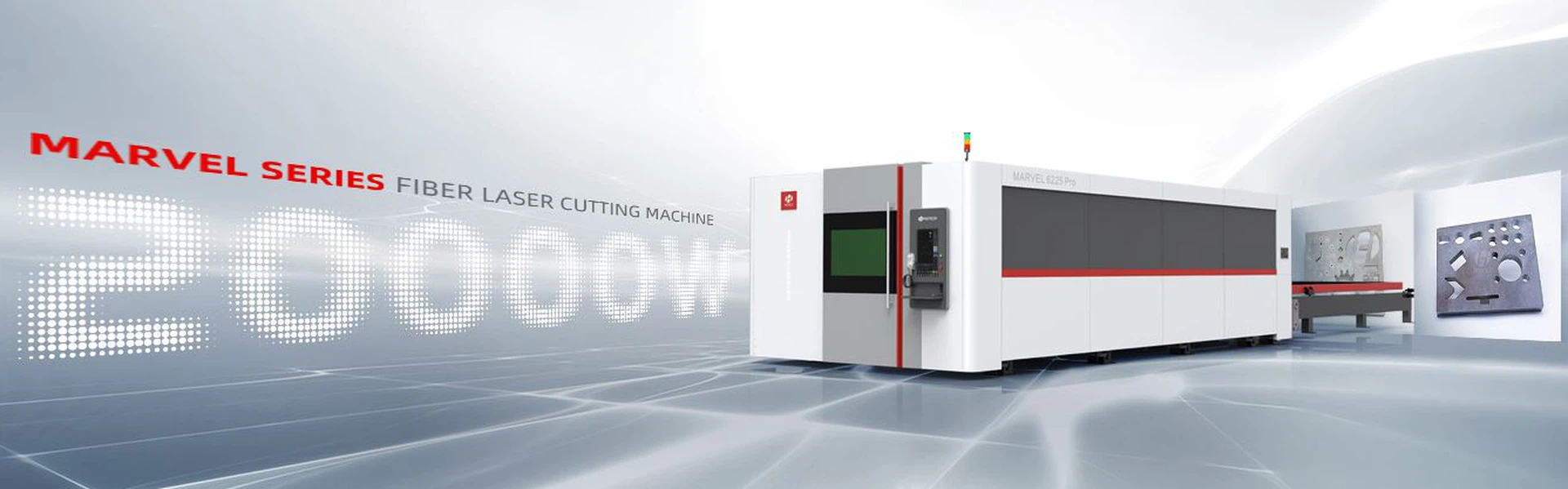
Laser cutting is a thermal cutting process that involves melting metals in localized areas using focused laser beams.
It involves two simultaneously running sub-processes. The first process involves focusing a high-powered laser beam on the sheet metal material. The laser beam is absorbed onto the material, causing it to vaporize. The second process occurs at the same time, where a cutting nozzle provides the process or blowing gas for laser cutting. This gas is typically nitrogen or oxygen, and it helps protect the processing head from vapors and splashes. It is also important for the removal of excess materials from the kerf.
Laser cutters can cut a wide range of metals, ranging from stainless steel to mild steel and non-ferrous metals. However, more reflective metals such as aluminum may be more challenging to cut. In such cases, fiber lasers are usually the better option. The thickness of the metal can range between 20mm to 40mm, with the maximum thickness depending on the laser’s power.
The laser cutting process is best suited to industrial applications. It is highly flexible, time-efficient, and can give a high degree of precision. However, the process has a high energy and gas consumption, translating to high investment costs and strict safety requirements.


