

Industrial Fiber Laser Cleaning Machine
Products Description
Our Fiber Laser Cleaning Machines represent a breakthrough in industrial cleaning technology. Utilizing high-intensity laser beams, these systems perform non-contact, non-abrasive cleaning through the principle of selective photothermal absorption. The laser energy is absorbed by the contaminants on the surface (e.g., rust, paint), causing them to vaporize or sublimate, while the underlying base material, typically metal, remains unharmed due to its higher reflectivity. This process eliminates the need for harsh chemicals, abrasive media, or water, offering a precise and environmentally sustainable cleaning solution. We offer two primary types to suit different application needs: Continuous Wave Fiber Laser systems for robust cleaning of thicker layers on metals, and Pulsed Laser systems for delicate cleaning of high-value or sensitive components without any risk of damage.


Products Features:
The adoption of laser cleaning technology provides significant benefits over traditional methods:
Environmental Sustainability: The process requires no chemical solvents or consumables, generating minimal waste (primarily solid powder easily contained and disposed of), which drastically reduces environmental impact and operational waste costs
Non-Destructive Cleaning: The non-contact nature of laser cleaning ensures zero abrasion, mechanical wear, or thermal damage to the underlying substrate, preserving the integrity and lifespan of valuable parts
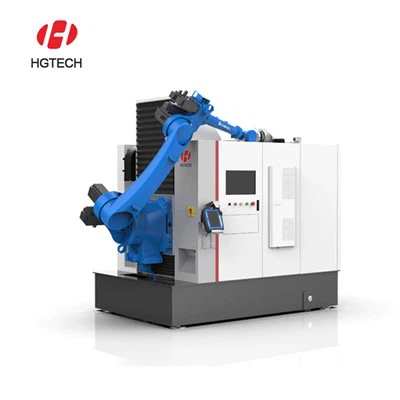
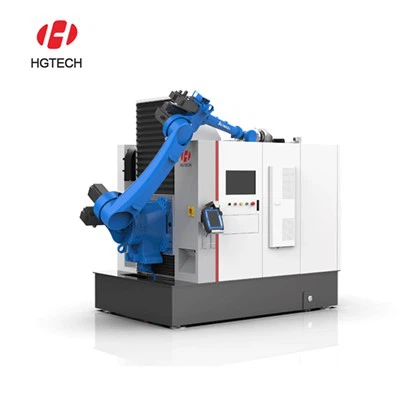
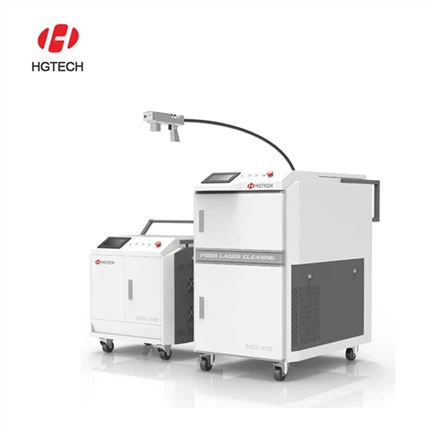
Precision and Safety: Operators can achieve selective cleaning with pinpoint accuracy. The technology allows for remote operation via handheld wands or integration with robotic arms, enhancing operator safety by keeping them away from hazardous environments or materials
Cost Efficiency: While the initial investment is higher, the long-term operational costs are low. There are no recurring expenses for media or chemicals, maintenance requirements are minimal, and the efficiency gains lead to significant time savings
Versatility: Effective on a wide range of materials including metals, plastics, stone, and composites, it can remove diverse contaminants such as rust, paint, oil, oxide layers, and mold residues.
|
Feature |
Specification |
Details |
|---|---|---|
|
Laser Types |
CW Fiber, Pulsed |
CW for cost-effective rust/paint removal; Pulsed for delicate, damage-free cleaning |
|
Available Power |
500W - 2000W (CW); 50W - 200W (Pulsed) |
Higher power for faster cleaning of thick layers; lower power for precision |
|
Laser Wavelength |
1064 nm |
Standard for fiber lasers, well-absorbed by most contaminants |
|
Cooling Method |
Air Cooling / Water Cooling |
Lower power models often air-cooled; higher power requires water cooling |
|
Beam Delivery |
Fiber Optic Cable |
Enables flexible integration with handheld guns or robotic automation |

Products Application:
Laser cleaning machines serve a critical role across numerous sectors by providing a superior cleaning solution.

FAQ:
Q1: How does a laser cleaning machine actually work?
A: It uses a high-energy laser beam that is absorbed by the surface contaminant (e.g., rust). The absorbed energy causes the contaminant to heat up rapidly and vaporize or turn into plasma, effectively breaking its bond with the substrate and lifting it off the surface without damaging the base material.
Q2: Is laser cleaning safe for the operators?
A: Yes, when proper safety protocols are followed. The systems are designed with safety enclosures and require the use of Class IV laser safety eyewear specific to the 1064nm wavelength to protect against accidental exposure. Many systems can also be operated robotically for complete operator isolation.
Q3: What materials can be cleaned with a laser cleaner?
A: It is most effective on metals (iron, steel, aluminum, etc.) for removing rust, paint, and oxides. It can also clean stone, plastics, and composites, and is used for restoring historical artifacts and cleaning delicate electronics, depending on the laser type and parameters used.
Q4: What is the difference between a CW and a Pulsed laser cleaner?
A: CW (Continuous Wave) lasers provide constant energy, ideal for fast, efficient removal of thick rust or paint from robust metal surfaces. Pulsed lasers deliver energy in short, high-power bursts, allowing for ultra-precise control and delicate cleaning of sensitive surfaces, valuable parts, or thin coatings without any thermal damage.
Q5: What is the typical operational cost?
A: The operational cost is relatively low after the initial investment. The main costs are electricity and occasional maintenance. There are no ongoing costs for consumables like chemicals, abrasives, or water, making the total cost of ownership very attractive over time.
Hot Tags: industrial fiber laser cleaning machine, manufacturers, suppliers, price, for sale
Send Inquiry